Building regulation, resilience, and emotional skills in kids
Big feelings are part of growing up. Excitement. Frustration. Disappointment. Anger. Joy. But when emotions feel too big or happen too fast, kids can struggle to manage them.
Emotional skills can be taught and strengthened. With the right tools and support, kids can learn how to understand their feelings, calm their bodies, and respond with confidence.

What are emotional skills?
Emotional skills help children:
Recognize what they’re feeling
Understand why they’re feeling it
Calm their bodies
Choose helpful responses
These are core parts of kids’ emotional development. And like reading or math, they take practice. When a child struggles emotionally, it’s usually not defiance — it’s a skill gap. Emotional education for children focuses on building awareness, not shame.
How difficulty with emotional skills might show up
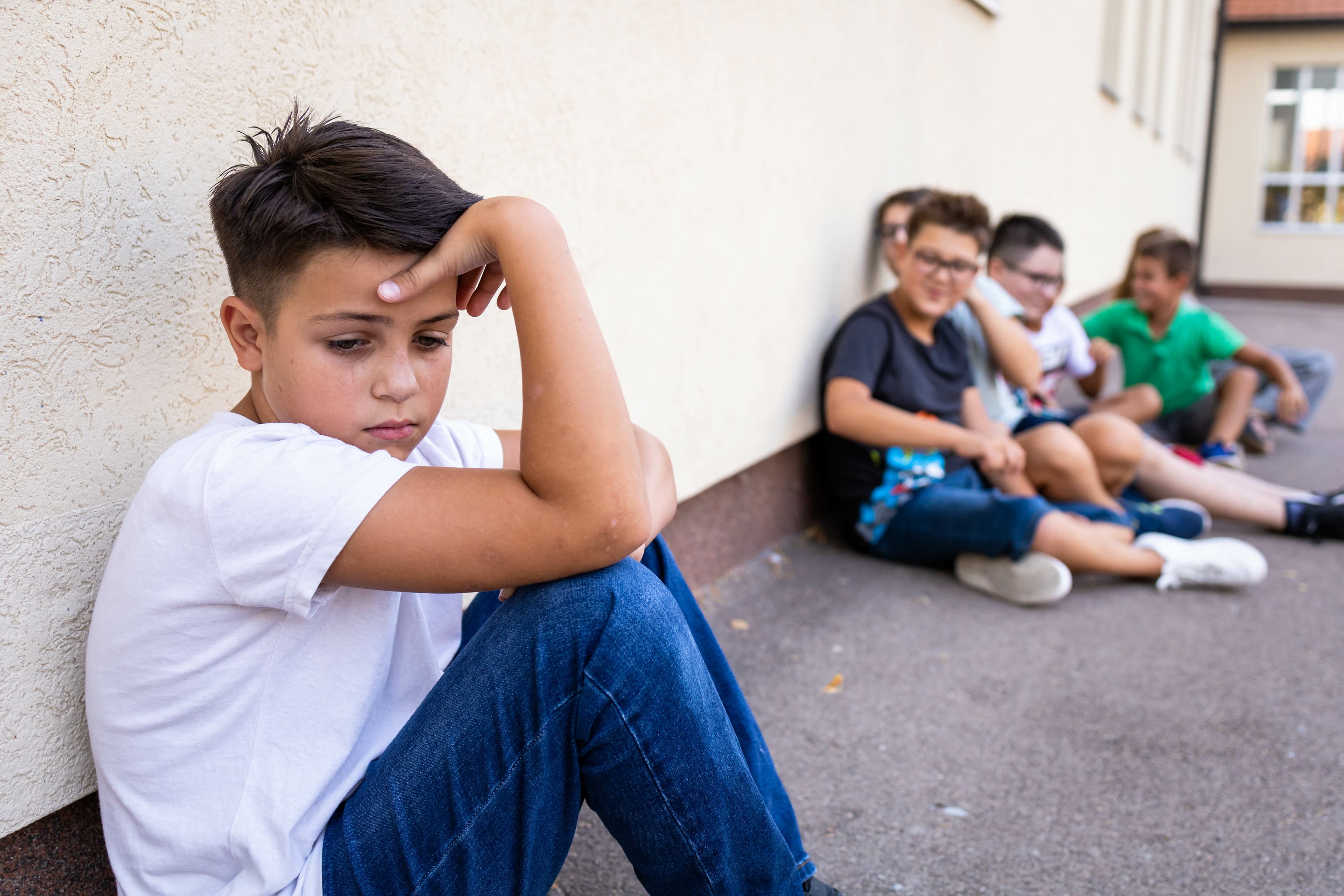
Kids who need support with emotional skills may:
Have intense physical reactions like racing heart or tight muscles
Struggle to calm down during meltdowns
Act impulsively when frustrated
Yell, cry, or shut down quickly
Feel overwhelmed by noise, transitions, or big changes
Have trouble naming what they’re feeling
These moments can feel sudden but they often build slowly inside the body. Emotional awareness tools for kids help bridge that gap between feeling and reacting.

Why emotional skills matter
When kids build strong emotional skills, everything else gets a little easier:
More meaningful relationships
Improved focus at school
Greater resilience
Lower stress
Healthier communication
Emotional awareness helps kids feel more in control of themselves. This isn’t about eliminating big feelings. It’s about building emotional literacy resources for kids so they can navigate those feelings safely.

Strategies to build emotional skills
Grounding techniques: Use the 5-4-3-2-1 method to reconnect to the present moment. This is one of the most effective emotional awareness activities for kids.
Mindful breathing: Belly breaths help slow heart rate and calm the nervous system. Emotional management activities for children often begin with breath.
Emotional labeling: Name the feeling: “It sounds like you’re frustrated.” Emotional labeling reduces intensity and builds emotional learning tools for kids.
Sensory supports: Weighted blankets, fidget tools, or quiet corners can become powerful emotional development tools for kids.
How coaching can help with emotional skills
Building emotional awareness
Practice identifying feelings in everyday moments
Use emotional literacy resources for kids
Develop emotional awareness activities that feel age-appropriate

Creating a calming toolkit
Build a personalized Calming Toolkit with sensory items
Practice grounding and breathing strategies
Learn the R.A.I.N. technique (Recognize, Allow, Investigate, Nurture)
Strengthening regulation at home
Support consistent responses from caregivers
Reduce escalation cycles
Celebrate emotional growth step by step

Emotional skill strategies you can try right away

Validate before correcting
Start with, “I see that you’re really upset,” before addressing behavior.
Model your own regulation
Let your child see you take a deep breath when frustrated.
Name feelings out loud
Use emotional language regularly, even during calm moments.
Create a calm corner
Designate a safe, quiet space with simple emotional learning tools children can use independently.

BrightLife Kids provides emotional learning tools for kids and supportive coaching for families. Whether your child struggles with meltdowns, frustration, or emotional overwhelm, we’re here to help build steady, lasting skills.
BrightLife Kids es gratuito para todos los niños de California de 0 a 12 años
Regístrate y obtén acceso a coaching por video gratuito para tu niño/a, un chat seguro y recursos para padres
Gracias al apoyo del Estado de California, las familias pueden acceder a nuestros servicios de coaching de salud conductual sin costo alguno. Cuando te unas, obtendrás lo siguiente:
Sesiones gratuitas de coaching en video adaptadas a tu hijo/a
Mensajes seguros con coaches expertos
Herramientas y recursos de crianza que puedes usar de inmediato
Sin costo. Sin seguro. No se necesitan derivaciones.
Solo apoyo, cuando y donde lo necesitas.