Social skills in kids: Connection, confidence, and communication
Learning how to share, handle conflict, or join a group doesn’t always come naturally for kids. That’s a normal part of development.
When families understand that social skills development for children is a process, not a personality trait, it becomes easier to focus on building skills instead of labeling behavior.
What are social skills challenges?
Social skills challenges involve difficulty with communication, reading social cues, or navigating friendships. Some kids struggle to interpret facial expressions or tone of voice. Others may have trouble taking turns, handling “no,” or resolving conflicts. The good news? These skills can be learned.
Building social skills for kids is about strengthening communication, empathy, flexibility, and emotional awareness, tools that support confidence and belonging.

How social skills challenges might show up
Kids who are working on social skills might:
Struggle to read facial expressions or body language
Interrupt frequently or have trouble taking turns
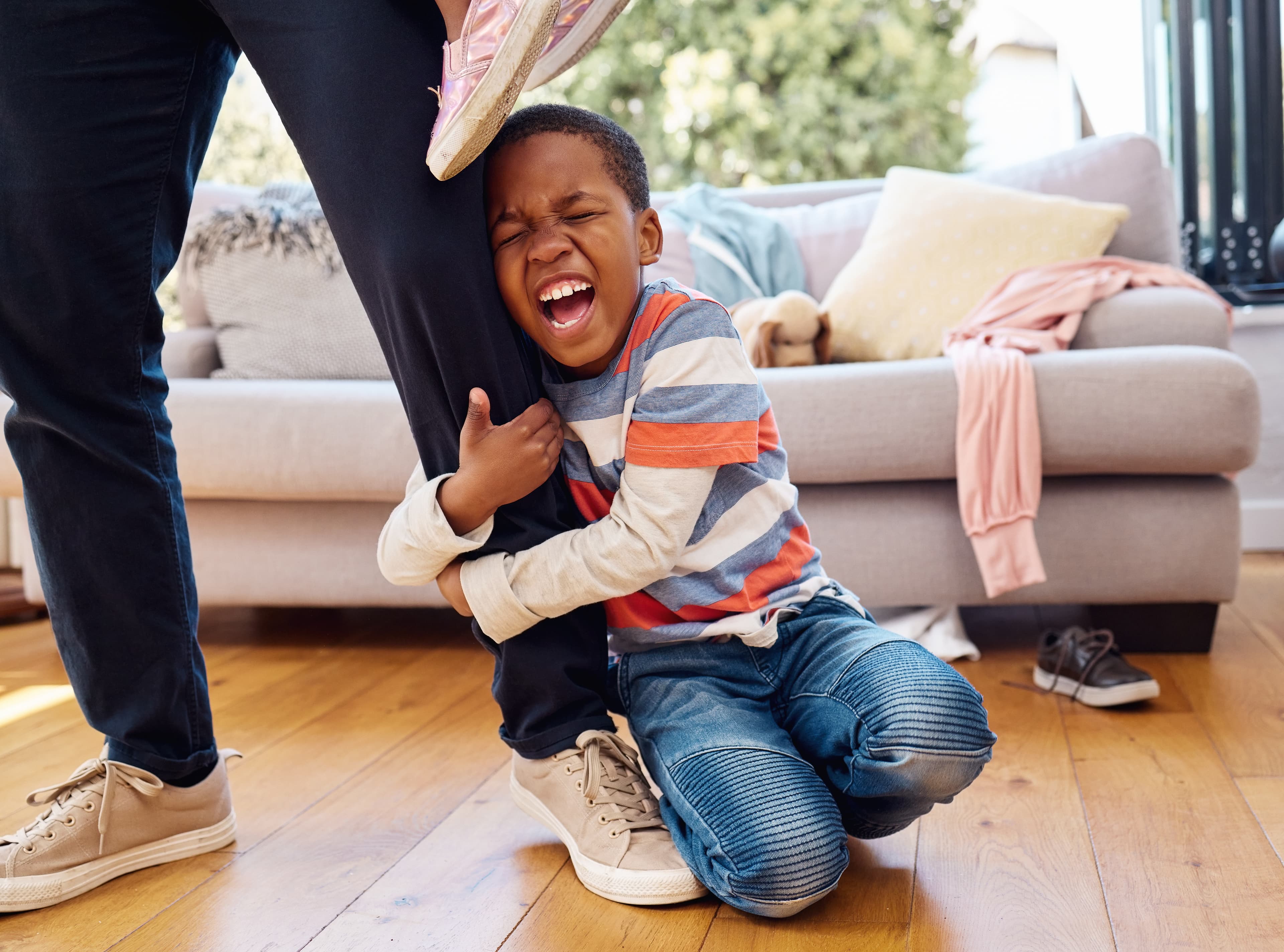
React strongly to losing a game or hearing “no”
Find it difficult to resolve conflicts
Feel left out or unsure how to join a group
Misunderstand social expectations
These patterns are common in childhood. Improving social skills for kids takes practice, modeling, and supportive guidance.
Strategies to build social skills in kids
I-Statements: Teaching kids to say, “I feel… because… I need…” helps them communicate clearly without blaming. This is one of the most practical social skills examples for kids.
Active listening: Encourage listening to understand, not just waiting for a turn to talk. Reflecting back what someone said builds connection.
Role-playing: Practicing social skills scenarios for kids before they happen increases confidence. Rehearsing how to join a group or handle teasing can reduce anxiety in the moment.
Emotional labeling: Using a feelings wheel or simple emotion words helps kids name what they’re experiencing so they can communicate it more effectively.
How coaching can help with social skills
Strengthen social awareness
Create a Social Map to identify friendships and support systems
Practice recognizing facial expressions and body language
Explore appropriate social skills for kids in different settings
Build confident communication
Learn about communication styles (Passive “Sloth,” Aggressive “Shark,” Assertive “Owl”)
Practice I-Statements and respectful disagreement
Develop flexible responses during conflict
Support real-life practice
Set specific friendship or peer goals
Use role-play and reflection after social situations
Celebrate small wins in building social skills
Social skills strategies you can try today

Model kindness
Show your child how to treat others with respect in everyday interactions.
Practice empathy
Ask, “How do you think your friend felt when that happened?” to build perspective-taking.
Arrange play opportunities
Set up structured time for kids social skills development activities like sharing, turn-taking, or cooperative games.
Validate feelings
Let your child know it’s okay to feel sad, frustrated, or left out. Naming feelings supports emotional growth.
Ready to support your child through this transition?
BrightLife Kids provides supportive coaching for families navigating divorce and separation. Whether you’re looking for guidance, tools for tough conversations, or help building stability at home, we’re here to walk alongside you.
BrightLife Kids is free for all California kids ages 0–12
Thanks to support from the State of California, families can access our behavioral health coaching services at no cost. When you join, you’ll get:
Free video coaching sessions tailored to your child
Secure messaging with expert coaches
Parenting tools and resources you can use right away
No cost. No insurance. No referral needed.
Just support — when and where you need it.