Building self-esteem and confidence in kids that lasts
“I’m not good at this.”
Many kids experience low self-esteem from time to time. For some, those thoughts get louder and start shaping how they see themselves. When that happens, it can affect friendships, school, and a willingness to try new things.
Confidence isn’t something kids either “have” or “don’t have.” It’s something they can build with the right support.
What is self-esteem?
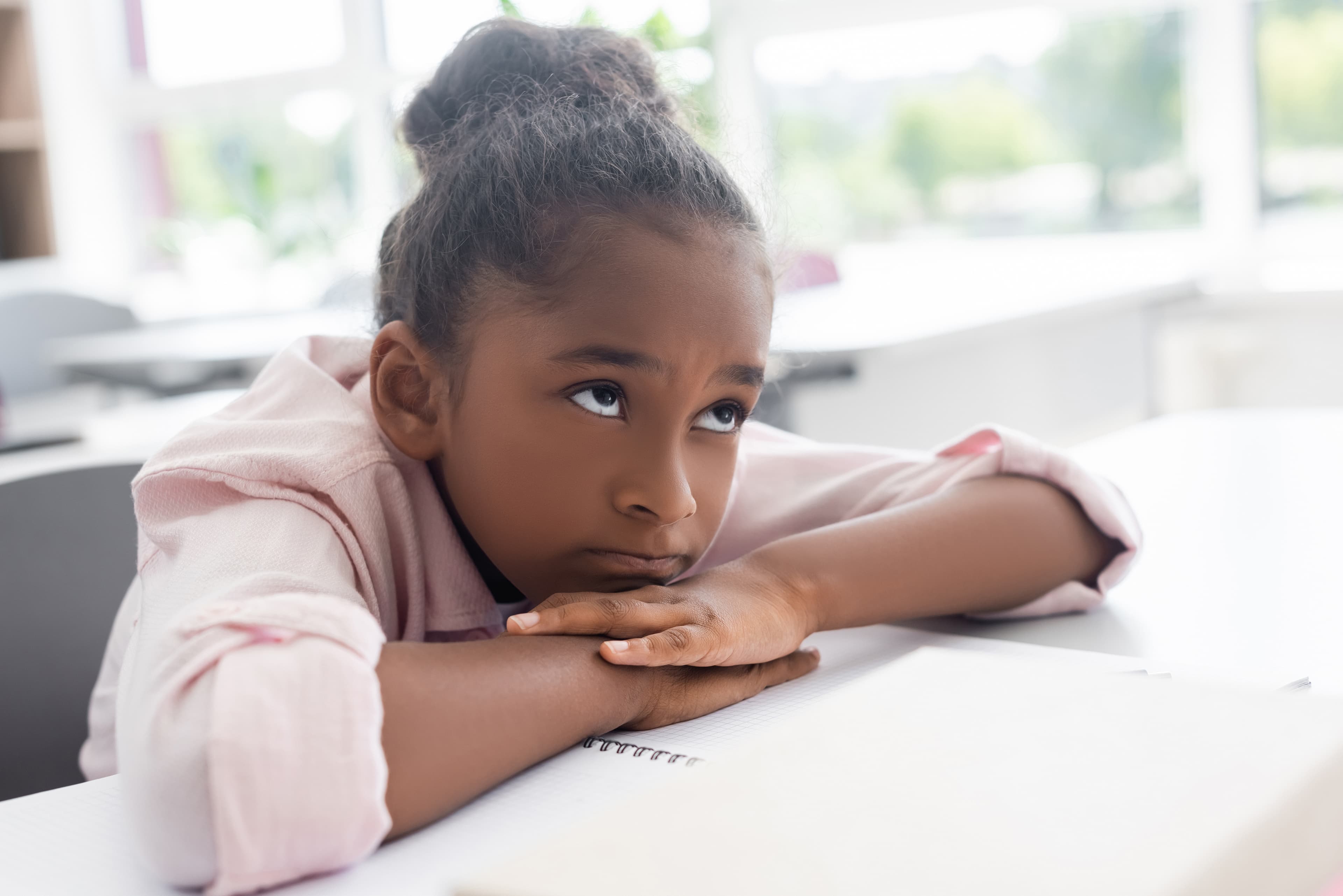
Self-esteem is how a child sees and values themselves. It’s the inner voice that says, “I can try,” instead of “Why bother?” It shapes how kids respond to mistakes, challenges, and comparison.
When kids struggle with self-esteem, it often shows up as harsh self-criticism or constant doubt. But low confidence isn’t a personality trait — it’s a pattern that can change. Improving self-esteem in children starts with helping them see their strengths clearly and respond to setbacks with flexibility instead of shame.

How low self-esteem might show up
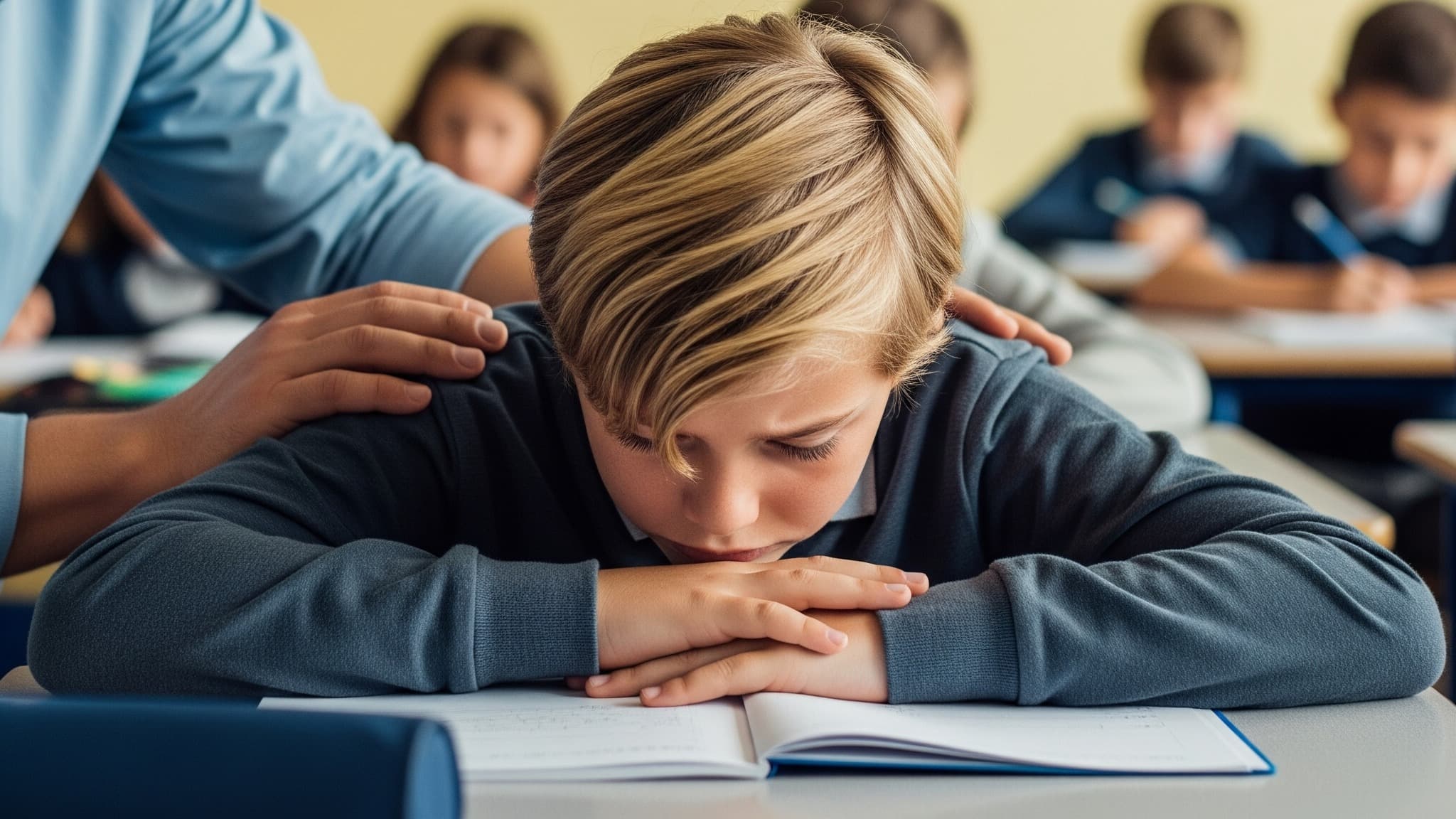
Kids who struggle with self-esteem may:
Use negative self-talk like “I’m dumb” or “I can’t do anything right”
Compare themselves unfairly to classmates, siblings, or media images
Avoid new activities because they’re afraid to fail
Give up quickly when something feels hard
Look for constant reassurance to feel okay about themselves
Over time, these patterns can shrink a child’s world. Building self-esteem in kids helps expand it again.
Why self-esteem matters
Confidence shapes behavior. Kids with healthy self-esteem are more likely to:
Try new things
Bounce back from mistakes
Advocate for themselves
Build positive friendships
Helping them develop a balanced, steady sense of self-worth can affect them for the rest of their lives. Early self esteem interventions for kids help shift the inner voice from critical to compassionate.

Strategies for building self-esteem
Self-compassion: Teach kids to speak to themselves the way they would speak to a friend. This is one of the most powerful self-esteem exercises for kids.
Affirmations: Practice short, believable positive statements that gently challenge harsh thoughts. Self-esteem activities for kids work best when they feel authentic, not forced.
Growth mindset: Help children see mistakes as part of learning, not proof of failure. Self esteem lessons for kids often focus on effort over outcome.
Strength spotting: Regularly name specific strengths — like creativity, kindness, persistence — so kids begin to recognize them too.
How coaching can help with self-esteem
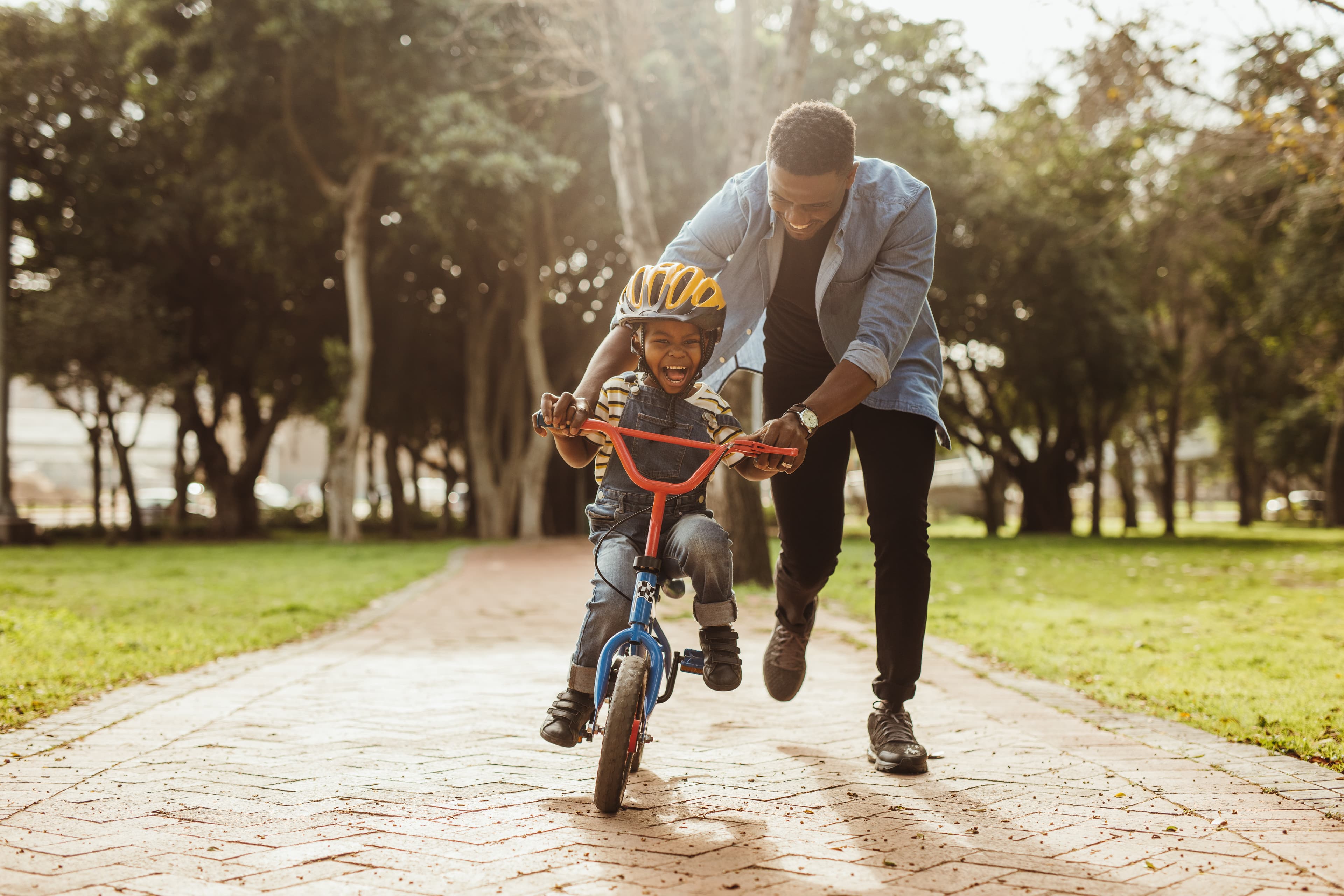
Identifying strengths
Complete a “My Strengths” exercise
Use self-esteem worksheets for children to highlight positive traits
Practice noticing effort and growth
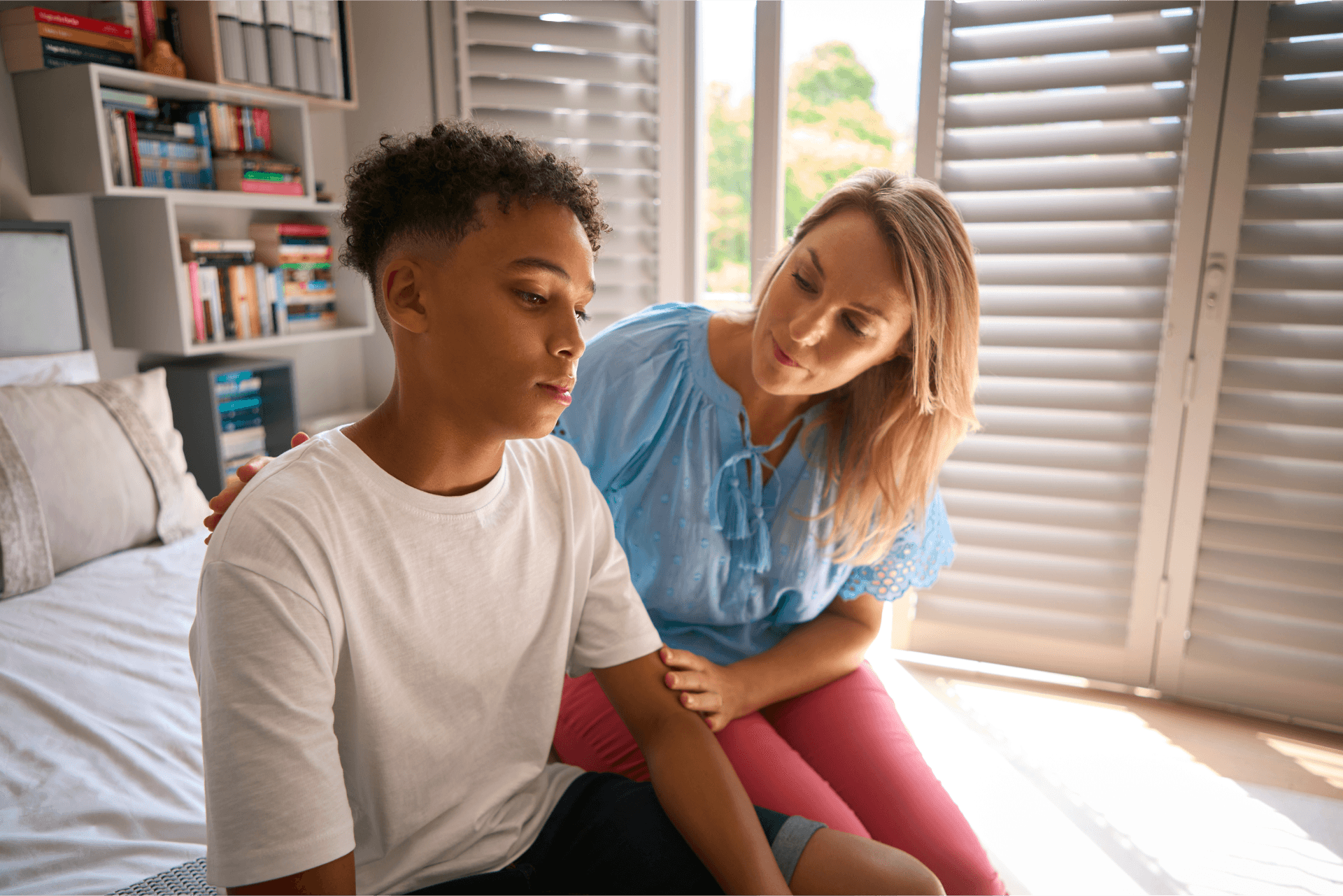
Reframing self-talk
Identify common negative thought patterns
Use structured self-esteem coaching worksheets for kids when helpful
Practice flexible, balanced thinking
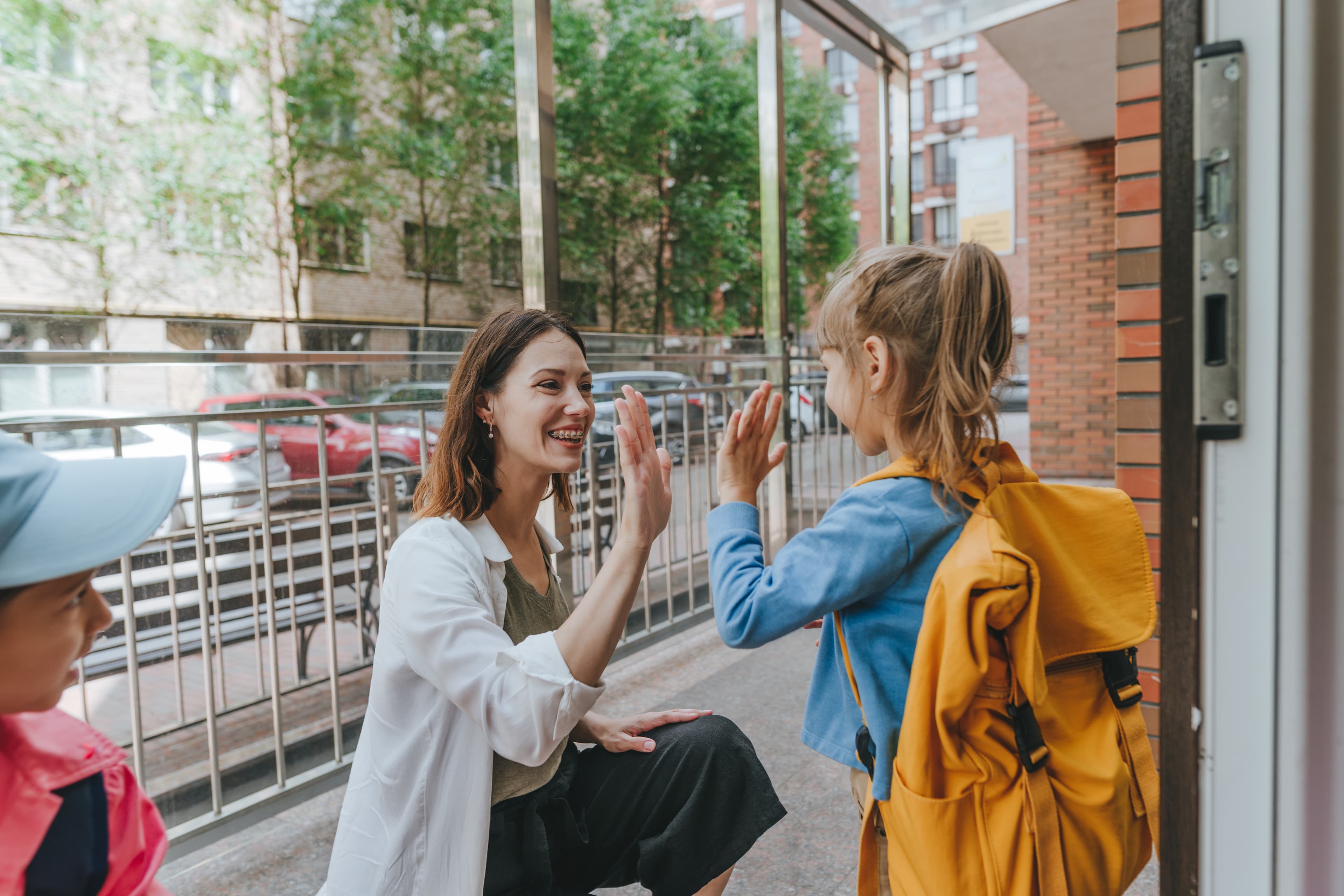
Setting meaningful goals
Use tools like the Wheel of Life to explore areas of growth
Set realistic, motivating goals
Celebrate progress, not perfection
Try these self-esteem strategies today

Offer specific praise
Instead of “Good job,” try “I noticed how hard you worked on that.”
Encourage independence
Let your child make age-appropriate choices and experience small challenges.
Model self-kindness
Let them hear you speak kindly about yourself, especially after mistakes.
Create small wins
Design opportunities for success that build momentum.

BrightLife Kids provides practical tools and supportive coaching focused on building self-esteem in kids. Whether your child struggles with negative self-talk or fear of failure, we’re here to help them grow steady, lasting confidence.
BrightLife Kids is free for all California kids ages 0–12
Thanks to support from the State of California, families can access our behavioral health coaching services at no cost. When you join, you’ll get:
Free video coaching sessions tailored to your child
Secure messaging with expert coaches
Parenting tools and resources you can use right away
No cost. No insurance. No referral needed.
Just support — when and where you need it.