Helping kids when someone new moves into the home
Welcoming a new person into the home — like a baby, step-parent, step-brother or step-sister, even a grandparent — can bring excitement and stress at the same time. Even positive changes can feel big for kids.
When families understand that adjustment takes time, it becomes easier to respond with patience, structure, and connection instead of frustration.
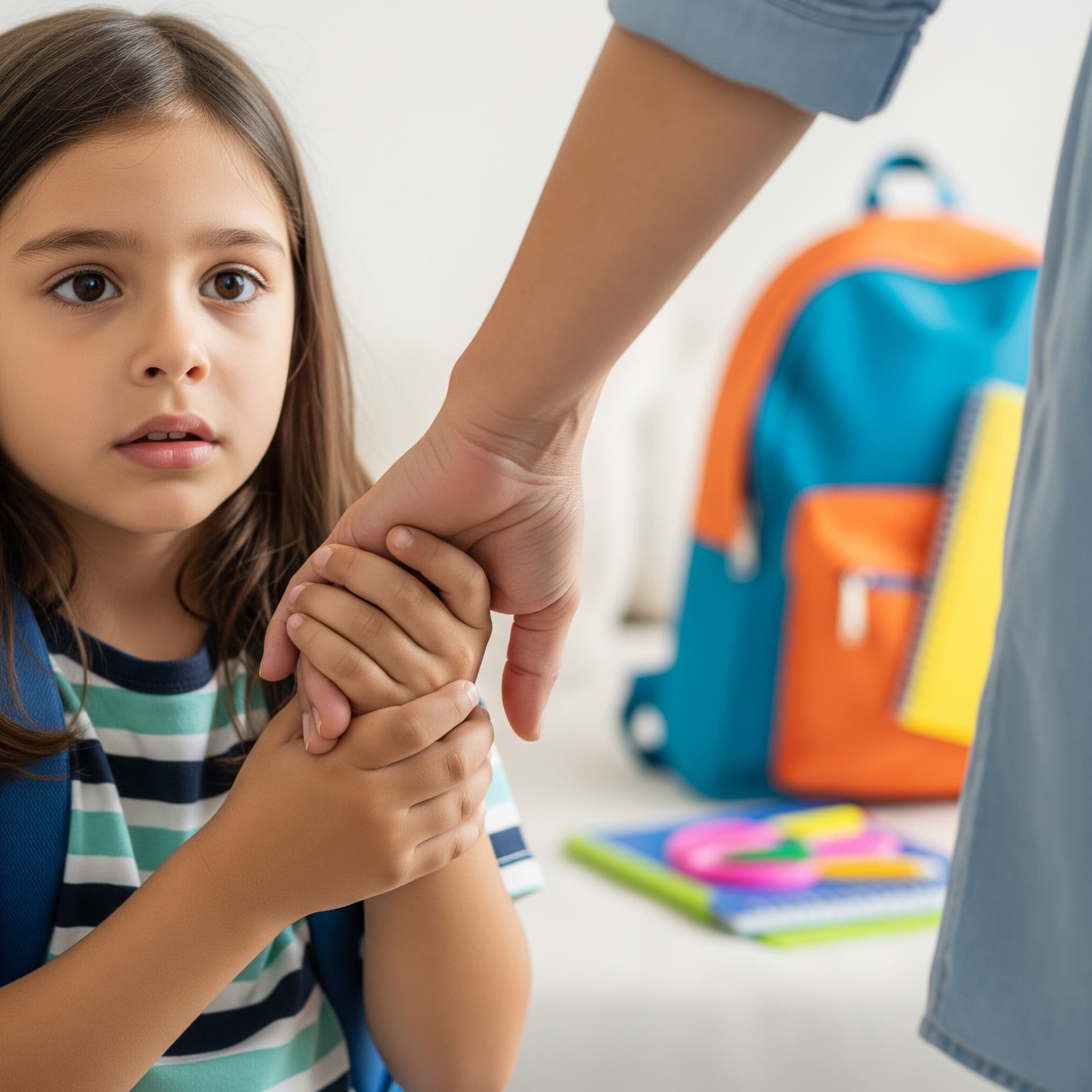

How do kids react to a new person in the home?
A new person in the home changes routines, attention, space, and family roles. For children, this can raise important questions:
Where do I fit now?
Will things stay the same?
Am I still as important?
This transition isn’t about something being wrong. It’s about helping children feel secure in a new family dynamic. With support, kids can adapt in healthy ways and even grow stronger through change.

How adjusting to a new person might show up in kids
Kids navigating this change might:
Regress in behaviors (sleep issues, potty training setbacks, clinginess)
Show jealousy, aggression, or withdrawal
Act out to get attention
Seem more emotional than usual
Worry about their place in the family
These reactions are common during tough transitions. They are often signals that a child needs reassurance and connection.
Why support during family transitions matters
Change, even positive change, can feel destabilizing for children. Early support helps prevent small stress reactions from becoming ongoing patterns. It’s about:
Strengthening emotional security
Reinforcing a child’s sense of belonging
Building flexibility and resilience
Creating a warm, responsive home environment
When kids feel safe and seen, they adjust more smoothly.

Strategies to support adjustment at home
One-on-one time: Dedicate special, predictable time with your child to reconnect. Even 10–15 minutes daily can reduce attention-seeking behavior.
Family communication: Use I-statements to model respectful expression: “I feel overwhelmed when the house is loud. I need a quiet minute.”
Routines: Establish clear routines that include everyone. Predictability helps children feel secure.
Praise positive moments: Notice and name positive interactions with the new person. Reinforcing small wins builds momentum.
How coaching can help with transitioning a new person into the home
Creating a transition plan
Identify high-stress moments (sharing toys, bedtime, attention shifts)
Develop a “Making a Plan” strategy for those times
Practice responses ahead of time
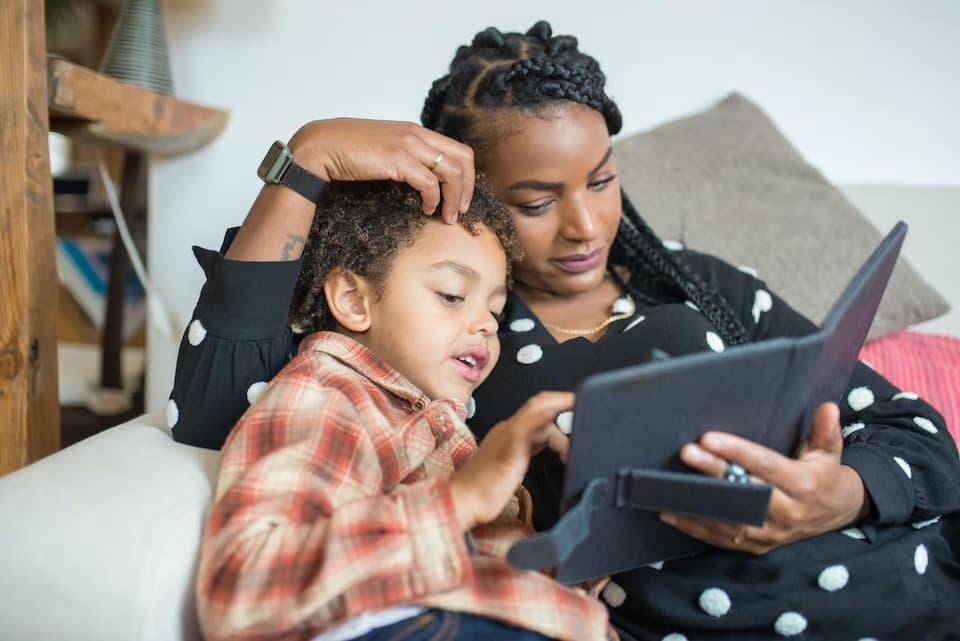
Positive behaviors
Create a simple reward chart to encourage cooperation
Reinforce flexible thinking and problem-solving
Celebrate progress consistently
Supporting caregiver confidence
Clarify expectations and roles for everyone in the home
Develop consistent responses to challenging behavior
Set meaningful family goals during the transition
Adjustment strategies you can try today

Set clear expectations
Explain new rules and roles calmly and consistently.
Stay calm
Managing your own stress models stability and safety.
Be inclusive
Use inclusive language like “our family” and involve your child in age-appropriate decisions.
Listen
Give space for your child to share worries or frustrations without immediately correcting them.
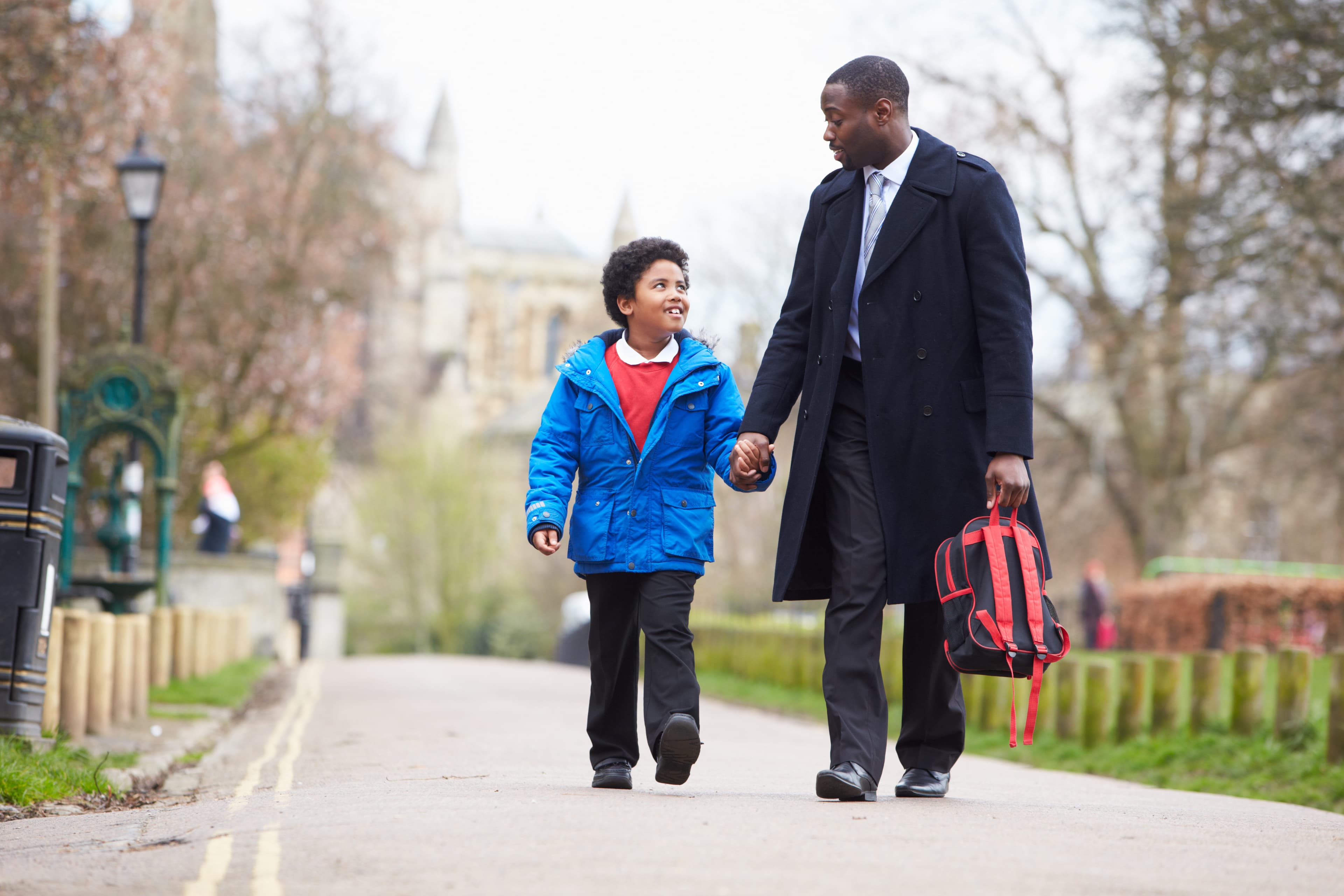

Ready to support your child through this transition?
BrightLife Kids provides practical coaching for families navigating tough transitions. Whether you’re welcoming a new sibling, partner, or household member, we’re here to help you build stability and connection.

BrightLife Kids is free for all California kids ages 0–12
Thanks to support from the State of California, families can access our behavioral health coaching services at no cost. When you join, you’ll get:
Free video coaching sessions tailored to your child
Secure messaging with expert coaches
Parenting tools and resources you can use right away
No cost. No insurance. No referral needed.
Just support — when and where you need it.