Supporting kids’ confidence, self-esteem, and sense of self
Every child spends part of growing up asking big questions: Who am I? Where do I belong? Am I okay just as I am?
Identity, belonging, and development is about helping kids feel grounded in who they are inside and out. It’s about celebrating their culture, values, personality, and lived experiences while building the confidence to show up authentically in the world.
Why identity and self-esteem matter
Strong identity development helps kids feel worthy, capable, and connected especially as they move through new stages of childhood and adolescence. When kids feel secure in who they are, they’re more likely to:
try new things
speak up for themselves
handle peer pressure
bounce back from challenges
build healthy relationships
Kids' confidence grows when they feel accepted at home and supported as they discover themselves.
Signs your child may need help feeling they belong

Low self-esteem
Negative self-talk like “I’m bad at everything” or avoiding new challenges
Feeling left out
Loneliness, difficulty fitting in, or feeling different from peers
Identity questions
Exploring gender, sexuality, or cultural identity and how to express it
Body image struggles
Comparing appearance to others or feeling uncomfortable in their body

Family communication areas we can support
Families often ask for help with:
Gender Identity
Sexual Identity
Racial and Ethnic Identity
Child Development
Speech and Language


Simple ways to support your child with identity
Practice affirmations - Short, positive statements help challenge self-doubt:
“I am brave.”
“I can learn new things.”
“I belong.”
Create a “me” playlist: Invite your child or teen to make a playlist that reflects who they are. Music can open the door to deeper conversations about identity.
Spot strengths together: Encourage your child to name what they’re good at and what they enjoy. Focus on inner traits like kindness, creativity, or persistence.
Map their community: Help your child list the groups they belong to, like family, school, teams, and clubs, to see how many places they’re supported.
Talk about values: Share what matters most in your family, like honesty, fairness, or curiosity, and notice how those values show up in daily life.
How coaching supports kids’ identity and confidence
Narrative building
Helping kids tell their own story and feel ownership over who they are
Cultural exploration
Open conversations about race, culture, and lived experiences
Self-compassion
Teaching kids to treat themselves with the same kindness they’d give a friend
Resilience skills
Learning what’s within their control and what isn’t
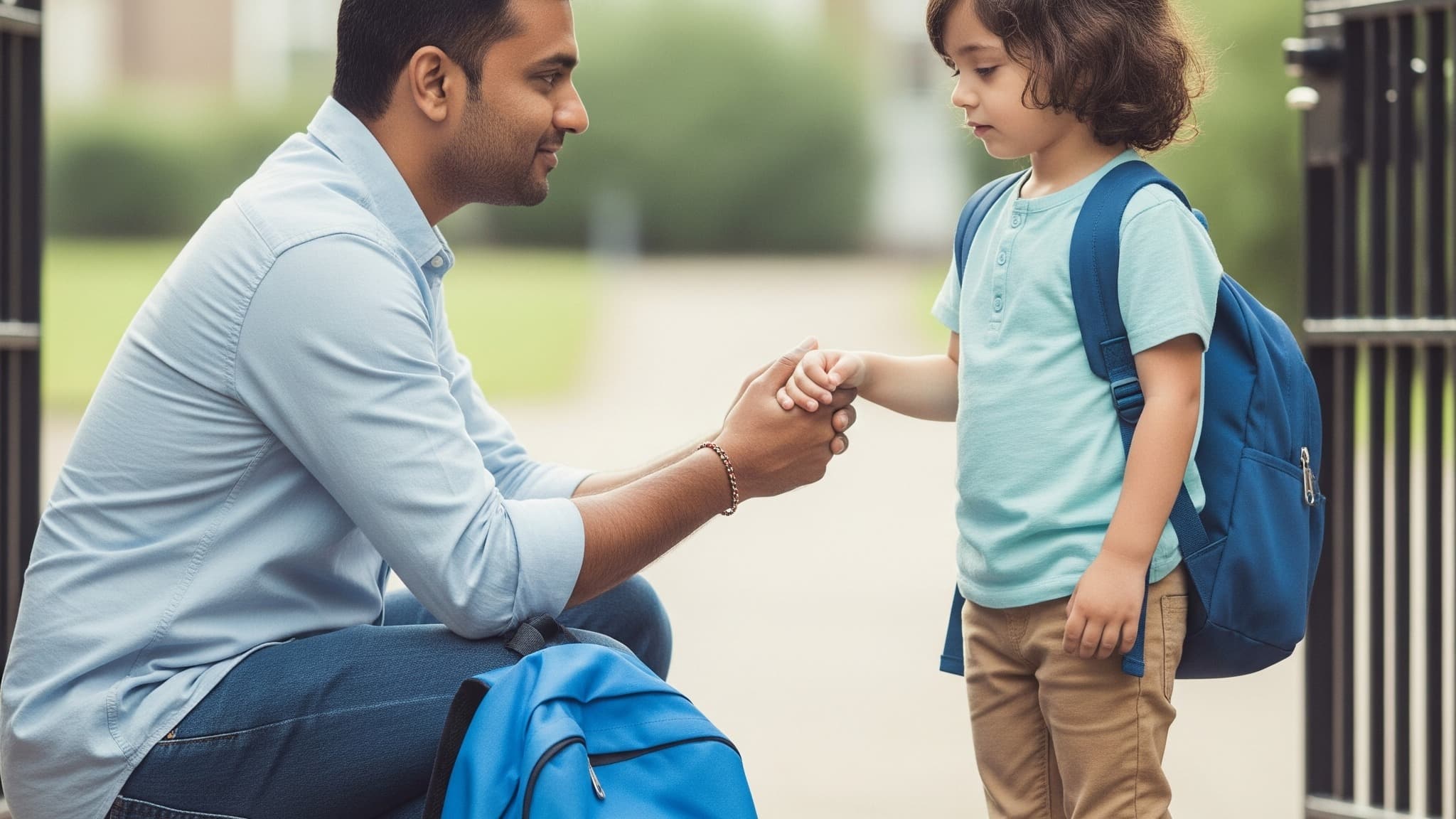
Helping kids feel confident, valued, and seen
Identity development isn’t about having all the answers. It’s about feeling safe to explore, question, and grow.
BrightLife Kids is here to support kids’ self-esteem, confidence, and sense of belonging every step of the way.
BrightLife Kids is free for all California kids ages 0–12
Thanks to support from the State of California, families can access our behavioral health coaching services at no cost. When you join, you’ll get:
Free video coaching sessions tailored to your child
Secure messaging with expert coaches
Parenting tools and resources you can use right away
No cost. No insurance. No referral needed.
Just support — when and where you need it.