Anxiety in kids: Understanding worry, building confidence
Many kids experience anxiety from time to time. For some children, those worries come more often or feel so big that they begin to affect daily life.
When families understand anxiety and mental health together, rather than seeing anxiety as something “wrong,” it becomes easier to focus on skill-building instead of fear.


What is anxiety?
Many kids experience worry or nervousness from time to time. It’s common for anxiety to show up before a test, at bedtime, or when trying something new.
The good news? Anxiety isn’t a flaw or a failure. It’s actually the brain’s built-in alarm system trying to protect us. Sometimes, though, that alarm gets a little too loud or sensitive. With the right tools and support, kids can learn practical methods to relieve anxiety, grow their confidence, and feel more capable in everyday situations.
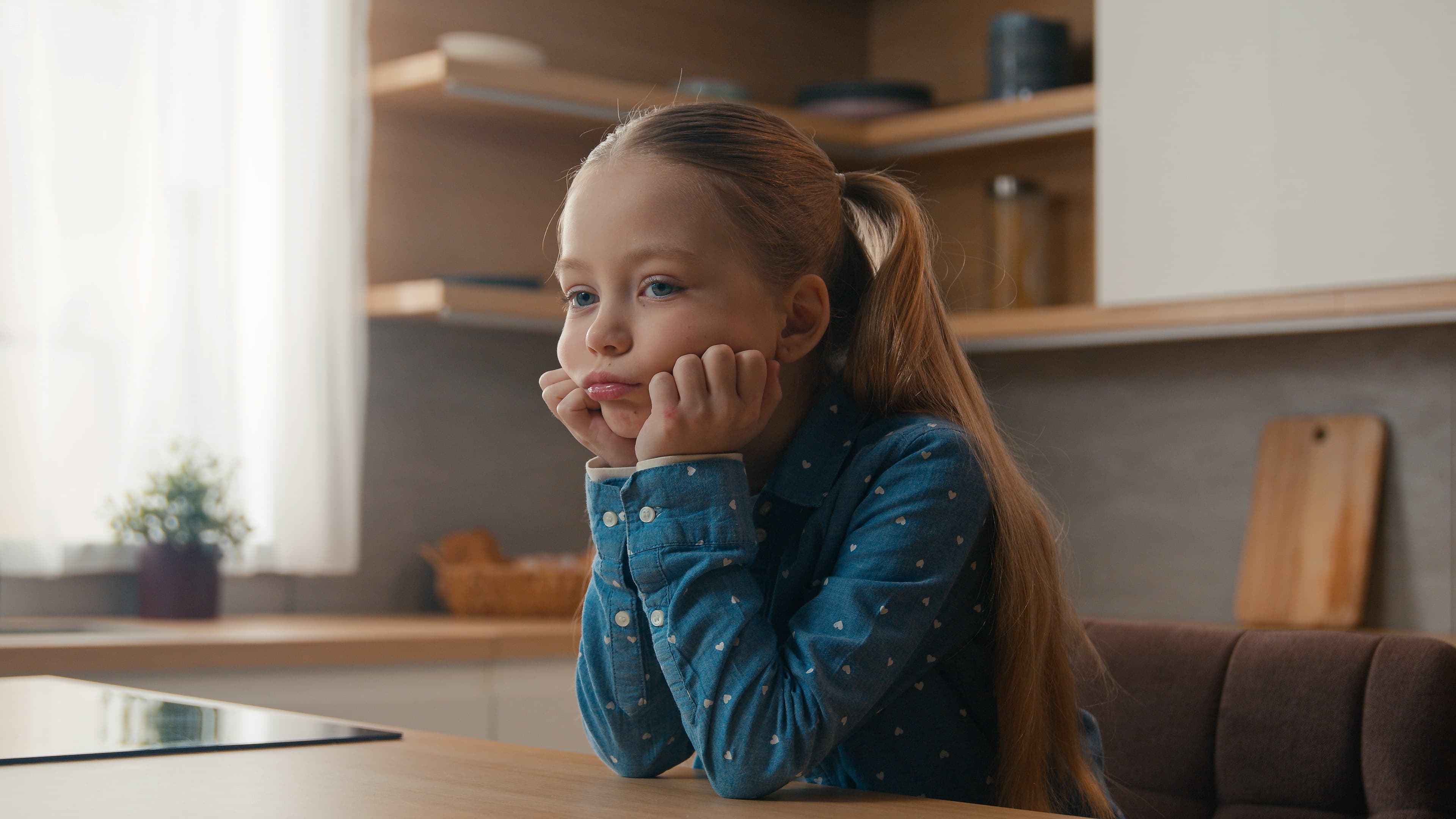
How anxiety might show up
Kids who experience anxiety might:
Have physical symptoms like tummy aches, racing hearts, headaches, or tight muscles
Talk about worries like, “What if something bad happens?” or “I can’t do this.”
Avoid certain places or activities
Become clingy or seek frequent reassurance
Get irritable more easily
Have trouble falling or staying asleep
Seem overwhelmed during transitions
When it might help to see a therapist
Coaching can be a wonderful place to build skills, grow confidence, and practice everyday coping tools for anxiety. For many families, it’s a supportive step forward. And sometimes, a child may benefit from an extra layer of care from a licensed mental health professional.
You might consider reaching out to a therapist if your child’s anxiety:
Gets in the way of school, friendships, or everyday activities
Leads to frequent meltdowns or moments of intense distress
Causes ongoing sleep struggles or strong physical symptoms (like stomachaches or headaches)
Makes your child avoid things they used to enjoy
Feels overwhelming for your child — or for your family — even with support in place
Many families find that coaching and therapy can work beautifully together. And our coaches can help you decide if a therapist is right for your child.
Why getting help for anxiety matters
Anxiety and mental health are closely connected. When worry grows unchecked, it can limit a child’s willingness to try new things, build friendships, or develop independence. Early support makes a real difference.
This isn’t about “fixing” something broken. It’s about helping kids understand their mental health, stress, and anxiety and giving them strategies to manage anxiety in healthy, empowering ways.
Left unsupported, anxiety can sometimes grow into patterns like avoidance or even anxiety attacks. With gentle guidance and consistent practice, children can strengthen resilience and build lifelong tools for emotional regulation.
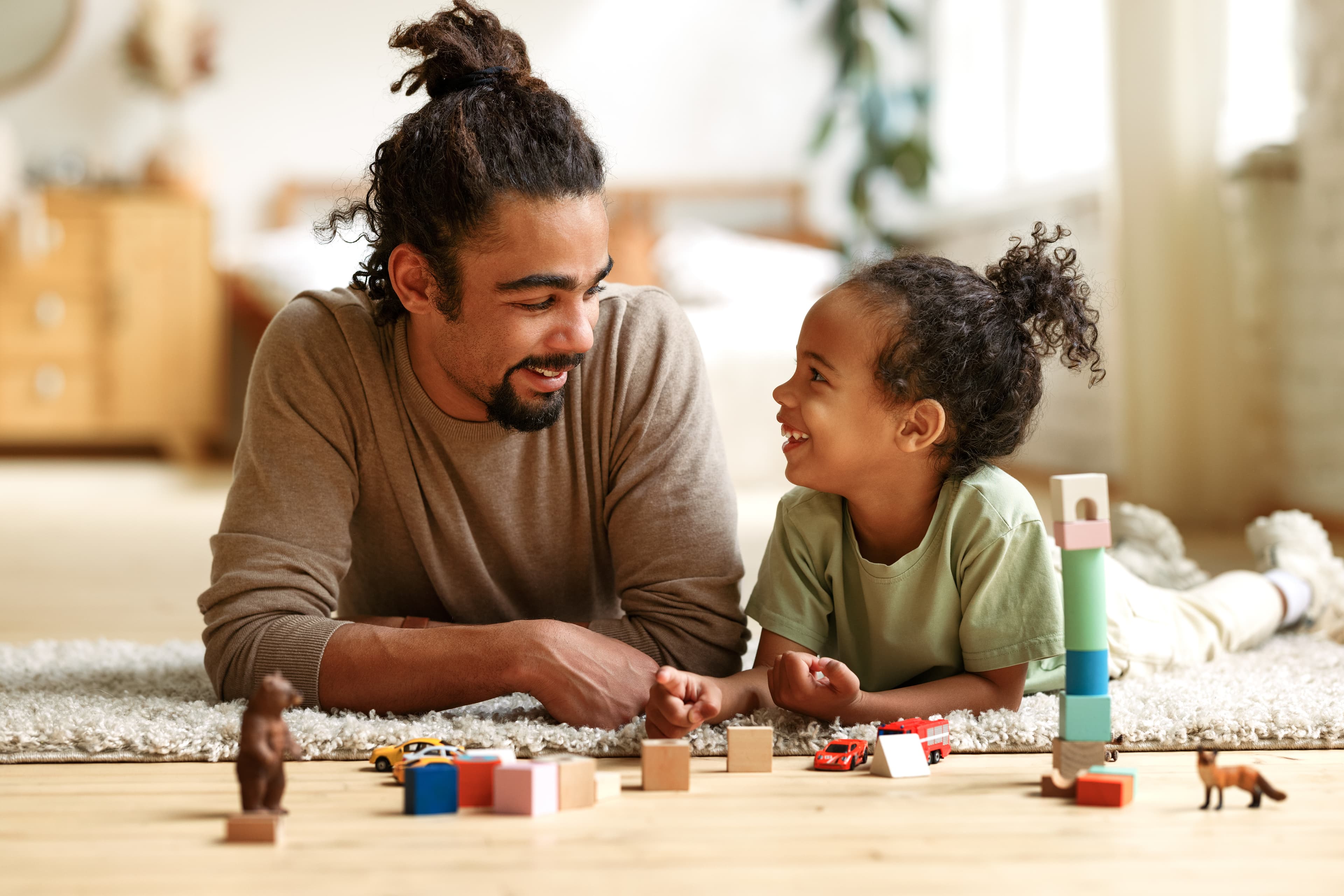
Strategies to manage anxiety in kids
Deep breathing: Belly breathing helps reset the body’s alarm system. Slow, steady breaths send the brain a message that it’s safe.
Facing fears in small steps: Instead of avoiding what feels scary, kids practice taking small, brave steps forward. This gradual approach is one of the most effective therapy tips for anxiety and a core part of both counseling for anxiety and health anxiety therapy.
Cognitive reframing: Kids learn to notice “blue thoughts” (unhelpful worries) and shift them into balanced, truthful thoughts. This builds flexible thinking and emotional strength.
The fear thermometer: Rating worries from 0–10 helps children see that feelings rise and fall. This is especially helpful for managing health anxiety or worries about physical sensations.
How coaching can help with anxiety
Building bravery
Helping kids face fears in small, manageable steps.
Create a personalized Bravery Ladder
Practice gradual exposure (a key strategy in counseling for anxiety and health anxiety therapy)
Reduce avoidance patterns
Build confidence through real-world practice
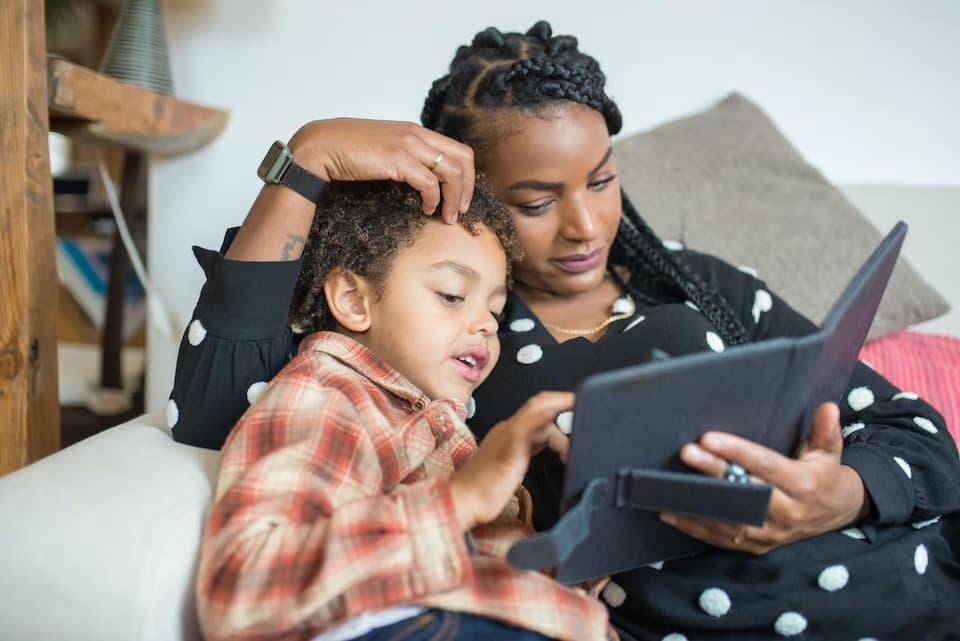
Strengthening coping skills
Teaching tools that calm the body and steady anxious thoughts.
Use belly breathing to regulate the nervous system
Track worries with a Fear Thermometer
Shift unhelpful thoughts through cognitive reframing
Apply simple, daily strategies to manage anxiety

Empowering caregivers
Giving parents clear tools to support anxiety and mental health at home.
Validate feelings without reinforcing fear
Respond calmly during anxiety symptoms or anxiety attacks
Avoid rescuing and encourage brave behavior
Celebrate progress, step by step
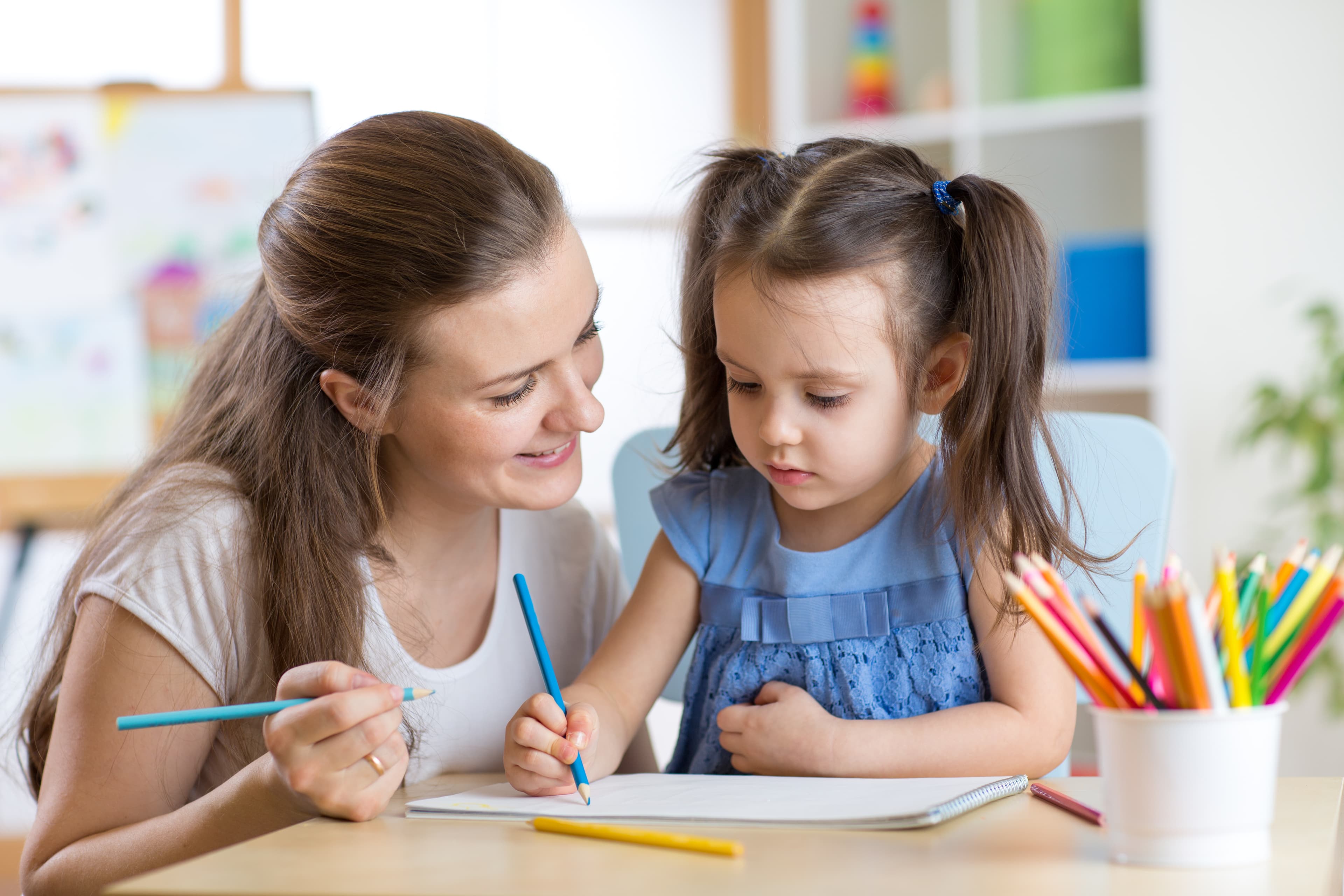
Anxiety strategies you can try today

Validate feelings
Say: “I know this feels hard.” Then add confidence: “I believe you can handle it.” Validation builds connection. Confidence builds courage.
Model calm
Children learn from what we model. Managing your own mental health stress and anxiety sends a powerful message of safety.
Avoid rescuing
It’s tempting to fix the situation right away. Instead, encourage your child to “ride the wave” of worry. Anxiety rises, and it also falls. This is one of the most important strategies to manage anxiety long-term.
Praise bravery
Celebrate effort, not just success. Trying something hard — even while anxious — is a win.
Ready to build emotional regulation skills together?
BrightLife Kids provides mental health support for anxiety in a way that feels collaborative, practical, and grounded in your child’s strengths. Whether you’re looking for counseling anxiety services, therapy tips for anxiety, or everyday tools to manage health anxiety, we’re here to help.

BrightLife Kids is free for all California kids ages 0–12
Thanks to support from the State of California, families can access our behavioral health coaching services at no cost. When you join, you’ll get:
Free video coaching sessions tailored to your child
Secure messaging with expert coaches
Parenting tools and resources you can use right away
No cost. No insurance. No referral needed.
Just support — when and where you need it.