
Understanding and embracing your child’s unique brain

By Craig Wales, Tue Aug 12, 2025
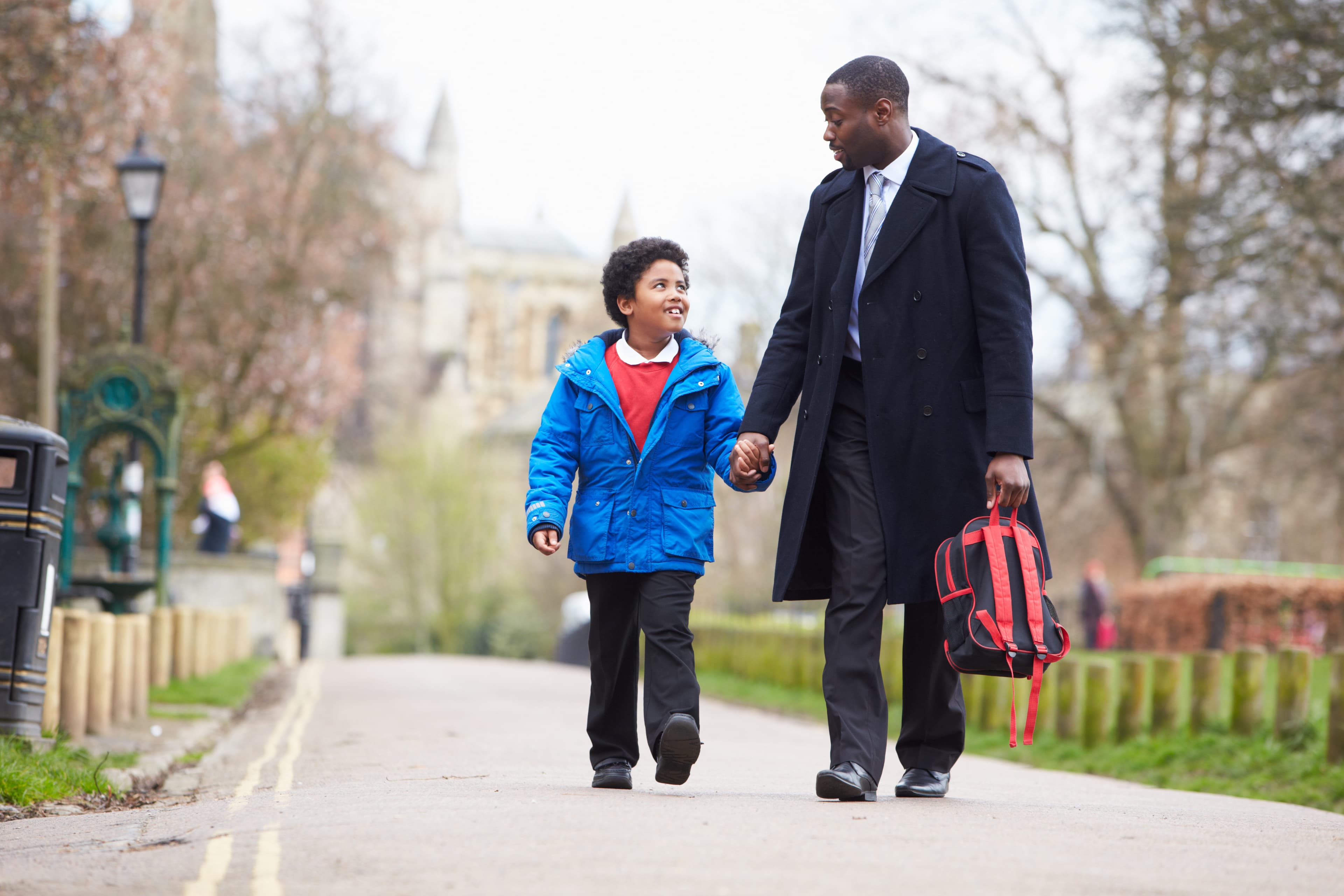
The back-to-school season is here, and with it comes a swirl of emotions. Some kids are excited to see friends again or use their new supplies. Others may feel nervous, unsure, or a little bit of both. As caregivers, how we approach this transition makes all the difference.
This year, let’s flip the script and look forward to school. By focusing on building resilience in the students in your family and offering them emotional support, you have the ability to make the transition smoother this year. Here’s how to ease the shift and help your child feel not just ready for school, but hopeful about it too.
Shifting from summer to school mode is a big change. New routines, new classrooms, new people — that’s a lot. It’s okay if it takes a few weeks (or more) for everyone to find their rhythm.
Some kids may show their feelings through tears or clinginess. Others might act out or shut down. These are normal reactions for your young students to have as they make their way back into the school routine.
What they need most is emotional support. Your calm, steady presence can help them feel that things are going the way they’re supposed to be going. Creating a supportive home environment can go a long way towards making them feel comfortable.
Starting a new school year can stir up all kinds of emotions: excitement, nervousness, even a little fear. That’s completely normal. School is a big part of your child’s world, full of new people, routines, and expectations.
Kids may worry about things like:
Fitting in with classmates or making new friends
Understanding new material or keeping up in class
Getting used to a different teacher’s style and rules
Feeling safe, seen, and accepted for who they are
Even when change is exciting, it can also feel uncertain. And uncertainty often brings questions like: Will I belong? Will I be okay? Will someone be there if I need help?
That’s where you come in. Remind your child it’s okay to feel nervous. These feelings are part of growing up. And they don’t have to face them alone. You’re there to help them every step of the way.
Stress isn’t always a bad thing. A little bit can help us rise to new challenges—like trying something for the first time or meeting new people. It’s our body’s way of getting ready, like a superhero gearing up for action.
But when stress sticks around too long, or starts to feel too big to handle, it can get in the way of daily life. That’s when kids need extra care and support.
You might notice signs like:
Stomachaches or headaches with no clear cause
Trouble falling asleep, staying asleep, or waking up feeling tired
Difficulty concentrating, even on things they usually enjoy
Avoiding school, homework, or activities they used to like
Getting upset or frustrated more easily than usual
These behaviors aren’t signs that something is “wrong” with your child. They’re signals letting you know your child is overwhelmed and needs some extra help.
Curious why back-to-school brings such big feelings? We break it down — and share proven, practical ways to help your child feel more at ease — in this article for members.
Planning ahead, even in small ways, can help the start of school feel more predictable and less overwhelming. When kids know what to expect, they feel more confident taking on new routines.
Here are a few gentle ways to ease the back-to-school transition:
Start with a back-to-school sleep transition. Shift bedtimes and wake-up times gradually during the week before school starts. This helps everyone’s body clocks adjust, making mornings a little smoother.
Visit the school ahead of time if you can, even just to walk around outside or peek in the windows. Seeing the building again can spark familiarity and ease first-day jitters.
Talk through the daily schedule together: What time will they wake up? How will they get to school? What does lunch look like? Who might they see? The more kids can picture their day, the more prepared they’ll feel.
These little steps may not seem like much, but they’ll build resilience in your little students. Bit by bit, they help turn “What if?” into “I’ve got this.”
Find more ideas for setting up a smooth transition into a school year schedule in this article for members.
If possible, arrange a playdate or meet-up before school starts. Seeing a friendly face on the first day can ease a lot of anxiety.
Even a short visit to the park with a classmate can help kids feel more connected and less alone.
Let your child help pack their backpack or organize school supplies. Give them a say in choosing a lunchbox or folder. Feeling prepared builds confidence.
And don’t forget the emotional gear: a comfort item in their bag, a special note from home, or a shared morning mantra like, “You’ve got this.”
When nerves show up, here are some quick strategies to use:
Stay calm and steady; kids borrow your energy
Name the feeling: “It sounds like you’re feeling worried.”
Offer a tool: a deep breath, a fidget, something to look forward to
Keep goodbyes short, sweet, and confident
Then, check in after school: “What was one good thing? What was tricky?” These conversations build connection and resilience.
Looking for more ideas to ease first-week jitters and support emotional regulation? Members can find practical tools in this article.
If your child’s stress doesn’t ease over time or if it begins to affect their daily life, it’s a sign they need more support. And you don’t have to figure it out alone.
A great place to start is at school. Encourage your child to identify a trusted adult they can turn to when things feel hard — a teacher, counselor, librarian, or even a friend. Having a “go-to grown-up” at school can be a powerful source of comfort and safety.
Want help talking through this with your child? Find tips for identifying school helpers and creating safe spaces in this article for members.
Asking for help isn’t a weakness, it’s a powerful way to show your child that everyone needs support sometimes. It’s brave to speak up when things feel too big.
There’s no need to have it all figured out. Pick one small thing to try this week: a new bedtime routine, a chat about what your child’s excited or nervous about, or setting out clothes the night before.
Remember: looking forward to school isn’t about pretending everything is easy. It’s about helping kids feel supported, seen, and strong enough to meet the moment.
And if you’re not sure where to start, you don’t have to go it alone. Our BrightLife Kids coaches are here to help with expert guidance, real strategies, and a listening ear for whatever your family’s facing. Members can schedule a coaching session right now.
You’ve got this. And so do your kids.